By Samantha McKittrick, Client Services Director, The Flywheelers
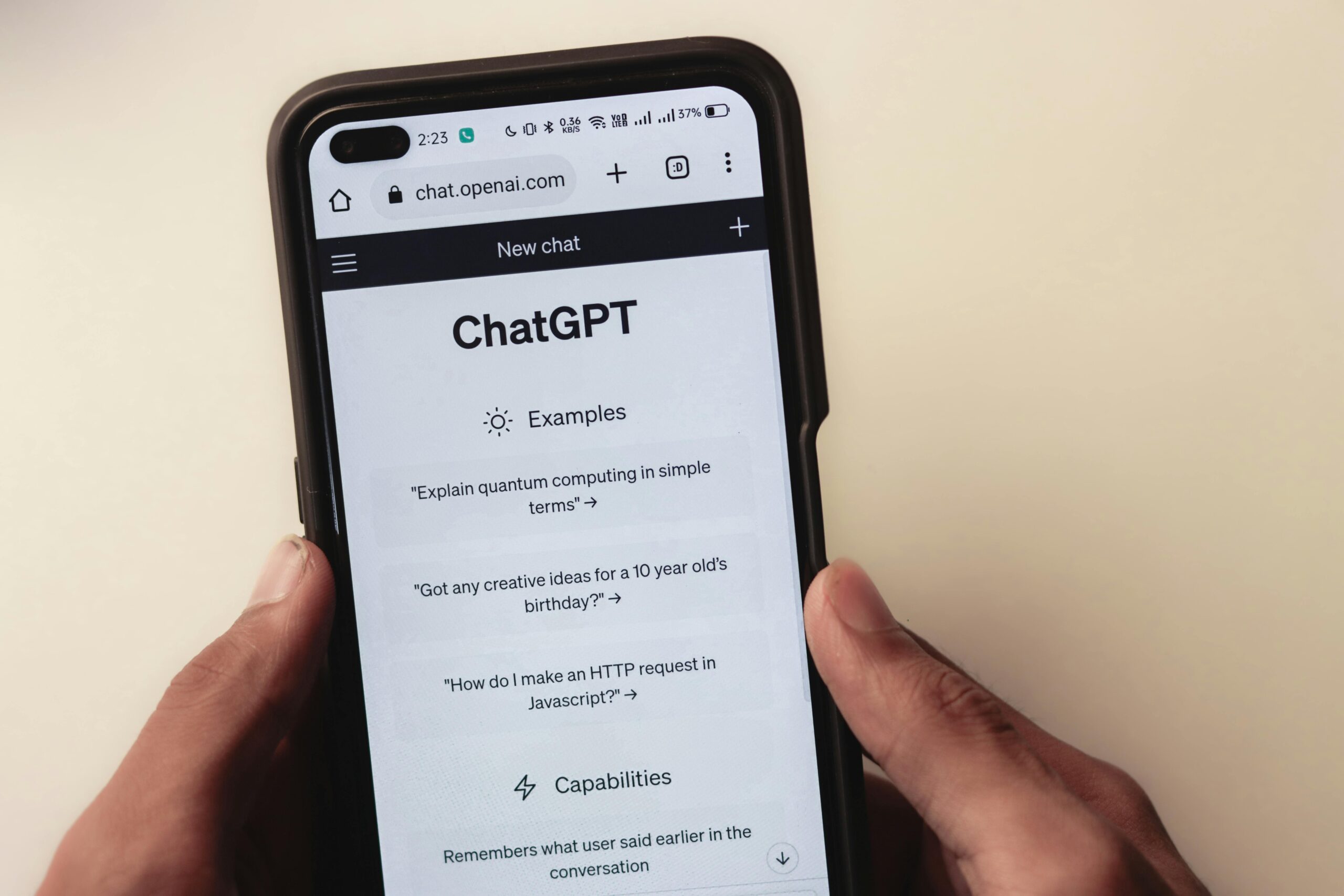
If you’ve used ChatGPT, Perplexity or Gemini recently, you’ll know that people are no longer just searching the internet – they’re asking it questions.
This shift from “searching” to “questioning” is changing how people discover brands via LLMs. AI delivers a considered response, citing only a handful of brands as its sources.
For high-growth companies, that raises a crucial question: how do you make sure your brand is one that AI cites? This is where Generative Engine Optimisation (GEO) comes in.
How is AI search different and what does it mean for brand visibility?
AI search hasn’t completely reformed brand discovery. B2B tech buyers are still heavily using web search (54%) and independent media sources (48%) to identify solutions and inform their shortlists.[1]
And for those brands that have already been investing in PR and SEO, you’ve got a head start. You still need extensive third-party citations, consumable content, and a well-structured and performing website.
But AI search adds a new layer. These signals can no longer be managed separately. It considers brands wider online presence to decide whether to trust you and include you in its answers.
Generative engines look for signals that a brand is:
- Clear and easy to understand
- Credible and verifiable
- Consistent across the places it appears
- Contributing something useful, not just generic noise
What can you do to improve your brand’s AI search presence?
GEO is not about rewriting your entire strategy. It’s about refining what you already do and bringing previously disparate marketing activations together, so AI can recognise your brand quickly and confidently. Ask yourself:
- Are we consistent in our messaging? If your company or product descriptions look different across your website, LinkedIn, or media coverage, AI engines get confused, and they won’t cite you. It’s not about cramming keywords, but consistency is critical to appear in AI search results
- Are our authority signals strong? Press mentions (which still drive 89% of AI citations[1]), awards, profiles, Reddit, analyst reports – these are all ground data that AI engines use to determine whether your brand is reputable
- Are we publishing content that answers real questions? AI mirrors how people ask questions. That means developing AI-ready content with question-led headings, short explanations, and conversational phrasing that will help your content be understood and surfaced
- Are we offering something original? If your insights sound replaceable, they will be. Brands that share proprietary data, customer case studies, or opinionated points of view stand out because they’re contributing information no one else can
- Are we keeping our content current? AI doesn’t like stale information. You don’t need to rewrite everything, but make sure key stats, claims and positioning reflect what’s true today. Consider updating these every few months to improve the chance of key content being cited
AI search is changing how audiences discover information and which brands earn authority in the process. GEO helps businesses show up in these new environments.
Brands that make themselves easy for AI to understand – and worth citing – will be the ones people see first and trust first. These principles sit at the heart of The Flywheelers’ AI Visibility Flywheel, a structured framework that explains how visibility is built in AI environments.
If you’re looking to future-proof your brand’s visibility in AI-driven search, get in touch to find out more: [email protected]
FAQ: GEO, simplified
- Do we still need PR for GEO? GEO doesn’t replace PR. It amplifies its value even further. Earned media coverage – news, thought leadership, and campaign storytelling – is a critical driver of the authority signals that generative engines rely on as they are seen as stronger “trust signals” by LLMs than owned marketing content.
- Do we still need SEO for GEO?
Yes. SEO builds the foundations; GEO builds discoverability in AI. You need both.
- Do we need to rewrite everything for AI?
No. Start with your highest impact pages and make them clearer, more consistent, and more answer-focused.
- How often do I need to refresh content for AI citations?
At least every few months. But make sure any changes add something new, such as updated stats or examples. And don’t forget to check the date is referenced on your owned content.
- Can we still gate content with GEO?
Gate the download, not the insight. AI can’t cite what it can’t access, so make sure landing pages point to enough information to demonstrate your content as a useful source. But gate the hero asset to capture those all-important leads.
- Do listicles and FAQs improve GEO?
They do. AI understands them easily. But they only work if they’re genuinely helpful.
https://www.informatechtarget.com/white-paper-ebook/2025-media-consumption-study-highlights/
Author bio
Samantha McKittrick is the Client Services Director at The Flywheelers. With over 10 years’ experience in integrated B2B communications, she has delivered brand-building strategies for global enterprises and fast‑scaling startups alike.